Maokong Tea Houses: How The Hillside's Tables, Charges And Teas Actually Work
Maokong's tea houses are the reason the gondola exists. This guide explains how the table charge works, what you are actually paying for when you order a pot, and the story behind the two teas this hillside grows better than anywhere else in Taiwan.
Short answer
A Maokong tea house is a hillside restaurant and tasting room built around Muzha Tieguanyin and Wenshan Baozhong tea. You pay a brewing or table fee per pot or per person, and most houses apply it to food orders too. The teas come from plantations at roughly 300 to 500 metres, harvested twice a year.
The gondola to Maokong was built for one reason above all: tea. Taipei City's own project papers describe the hillside's narrow farm roads and chronic holiday congestion, and the cable car was the city's answer, a way to move visitors up to the tea houses without adding cars to lanes that were never engineered for them. Decades later, the tea houses remain the point of the trip. Yet almost no guide explains the part visitors actually worry about, which is the bill: how the table charge works, what a pot of tea costs relative to the leaves, and why the menu is built around two very specific teas. This one does, using the operator's own published material rather than the recycled numbers that circulate online.
What Is A Maokong Tea House, Actually?
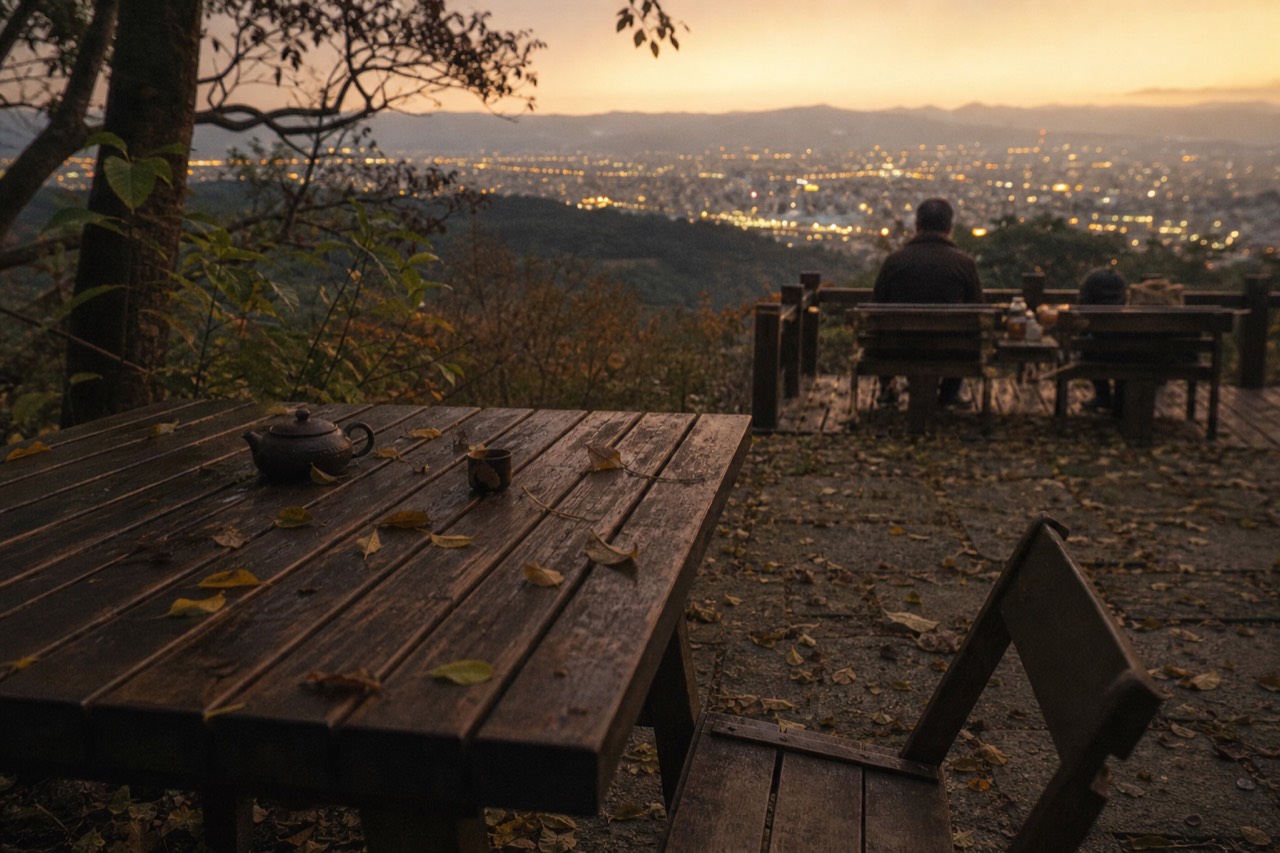
A Maokong tea house is a hybrid of restaurant, tasting room and view terrace: a family-run establishment on the hillside where you brew tea at your own table, order food alongside it, and sit as long as you like over the Taipei basin. It is not a shop, and it is not a cafe in the western sense, the tea is the centrepiece and the food supports it. The model came from the hillside's tea farming families, who began serving their own harvest to visitors decades before the gondola existed. When the cable car opened in July 2007, the city was explicit that relieving pressure on the roads to these houses was part of the point.
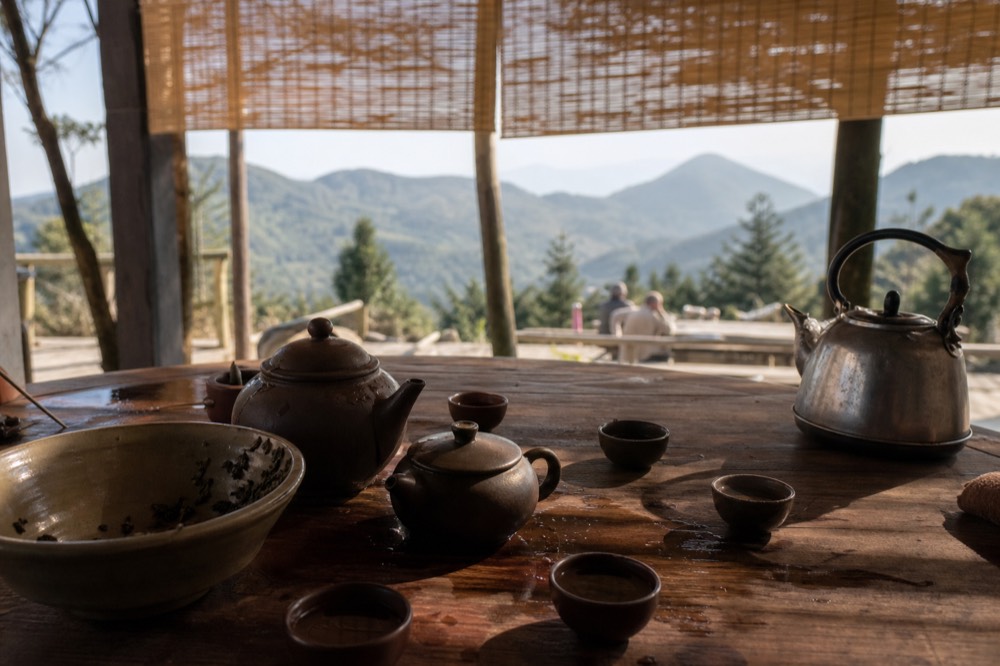
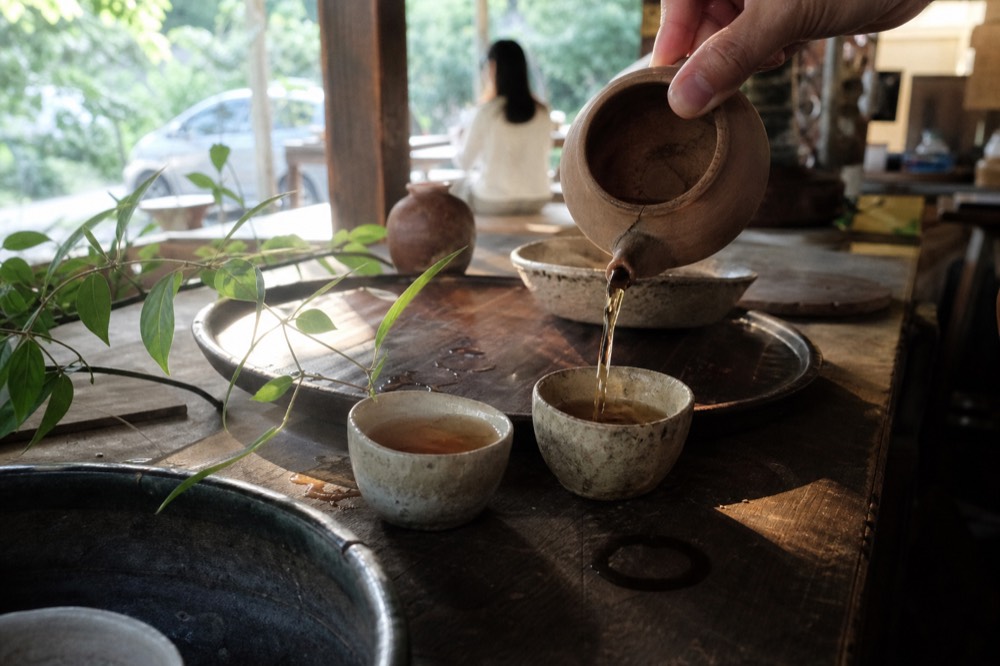
The experience is slower than most visitors expect. You choose a tea, the house brings a pot, cups and hot water, and you re-steep the same leaves through several infusions. Tieguanyin and Baozhong leaves are rolled tightly and hold up to many rounds, so a single order of leaves can carry an entire afternoon. Nobody hurries you out. The view, the ritual and the refills are all part of what the charge pays for.
Many houses cluster within walking distance of Maokong Station, and the whole area is stitched together by trails and a free tour bus. If you want the deeper background on the plantations behind these menus, the companion page on Maokong tea plantations and buying leaves covers where the tea actually comes from and how to purchase it to take home.
How Does The Table Charge And Leaf Pricing Work?
Most Maokong tea houses charge a per-pot or per-person brewing fee that covers the leaves, the equipment, the hot water refills and your seat for an unlimited stay; food is ordered and billed separately on top. Houses that serve full meals usually apply a minimum spend per person instead of a separate tea fee, and a few waive the tea charge entirely if the table orders enough food. The honest summary is that there is no single published tariff: each house sets its own rates, so treat any figure a blog quotes you as one house's price on one day, not a hillside standard.
What is consistent is the structure, and understanding it prevents the two classic surprises. First, the charge is not per drink, it is per brewing session: you are renting the table and the leaves, not buying cups. Second, re-steeping is expected. Asking for more hot water is normal and included, and a good house will keep refilling for hours.
| Charge type | What it covers | What to check before sitting down |
|---|---|---|
| Per-pot brewing fee | One portion of leaves, pot, cups, unlimited hot water | How many infusions the house considers one pot |
| Per-person minimum | Seat, usually creditable toward food and tea | Whether the minimum applies to children |
| Tea-only houses | Leaves and water only, light snacks extra | Food availability if you want a meal |
| Meal-focused houses | Full kitchen menu, tea sometimes discounted or waived | Whether tea is compulsory or optional |
One thing worth knowing before you budget: the pricier options on the gondola's own ticket listing do not include a dining voucher of any kind. That is a persistent myth. What the bundled options actually add is a choice of one or two small Maokong experiences, such as a sealed-tea DIY session, a Zhinan Temple prayer card, or a sachet of Tieguanyin, plus a discount booklet. The base option is a one-day pass with unlimited rides on the day it is activated, from about $9.49, and the zoo combo runs about $12.69. If tea is the whole point of your trip, the sealed-tea session in the bundles is the closest thing to a tea-house-adjacent perk on any ticket.
Getting up the hill is cheap relative to what you will spend at the table, and the pass is the flexible option. You can compare it against the alternatives on the gondola tickets and prices guide.
Which Teas Does The Maokong Hillside Grow?
Maokong grows two oolong teas and essentially built its tea house culture on them: Muzha Tieguanyin, a heavily roasted, mineral-dark oolong, and Wenshan Baozhong, a lightly oxidised, floral tea that is barely roasted at all. Both are grown on the same hillsides at roughly 300 to 500 metres, an altitude and microclimate the plantations share with the teas' ancestral home in Anxi, Fujian. The pairing is deliberate. Tieguanyin suits the long slow sitting that tea houses encourage, while Baozhong is the easy-drinking introduction most houses pour first for visitors new to oolong.
The two teas behave differently in the pot, and a good tea house will walk you through it. Tieguanyin's roast means the first infusions come out dark and nutty, almost coffee-adjacent in weight, softening over later rounds. Baozhong brews pale gold and smells closer to lilac than to anything roasted. Most houses will let you taste both before you commit to a pot, and it is worth asking.
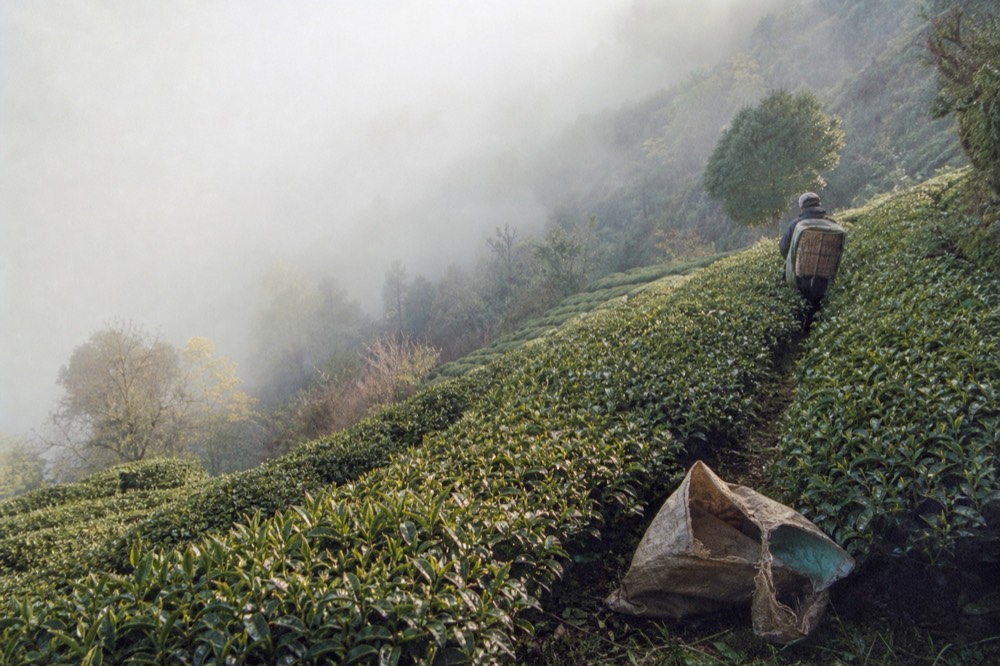
The harvest calendar shapes what you drink, too. Maokong's tea is picked twice a year, in spring around April and May, and again in autumn and winter around November and December. Spring leaf is the aromatic star; winter leaf is the one local roasters prize for Tieguanyin's depth. In 2025 the local producer Maokong Tea Master took gold, silver and general awards in both the spring and winter Tieguanyin Excellent Tea Competitions, which tells you the hillside's roasting standards are holding up against the rest of the island.
Why Is Muzha The Only Place In Taiwan That Grows Tieguanyin?
Because one man carried twelve Tieguanyin seedlings from Anxi in Fujian in 1895, planted them in the Zhanghu area of Muzha, and the cultivar never spread: the operator's own history states plainly that Muzha is the only place in Taiwan where Tieguanyin is cultivated. The tea master, Chang Nai-miao, was then hired as travelling tea master for Taipei Prefecture for ten years, teaching technique across the wider Wenshan area. That teaching job is why the region's other famous tea is called Wenshan Baozhong: he spread Baozhong and oolong methods through Muzha, Jingmei, Shenkeng, Shiding, Xindian and Pinglin.
The story usually stops there in most guides, but the operator's history adds a second chapter. In May 1926, working under the larger Wenshan Tea Company, Chang made a third journey to the Wuyi and Anxi tea regions of China, and two associates funded a thousand more Tieguanyin seedlings for the hillside. Every Tieguanyin bush in Muzha today traces back to those two shipments. When you order a pot at a Maokong tea house, you are drinking from a gene pool that exists nowhere else on the island.
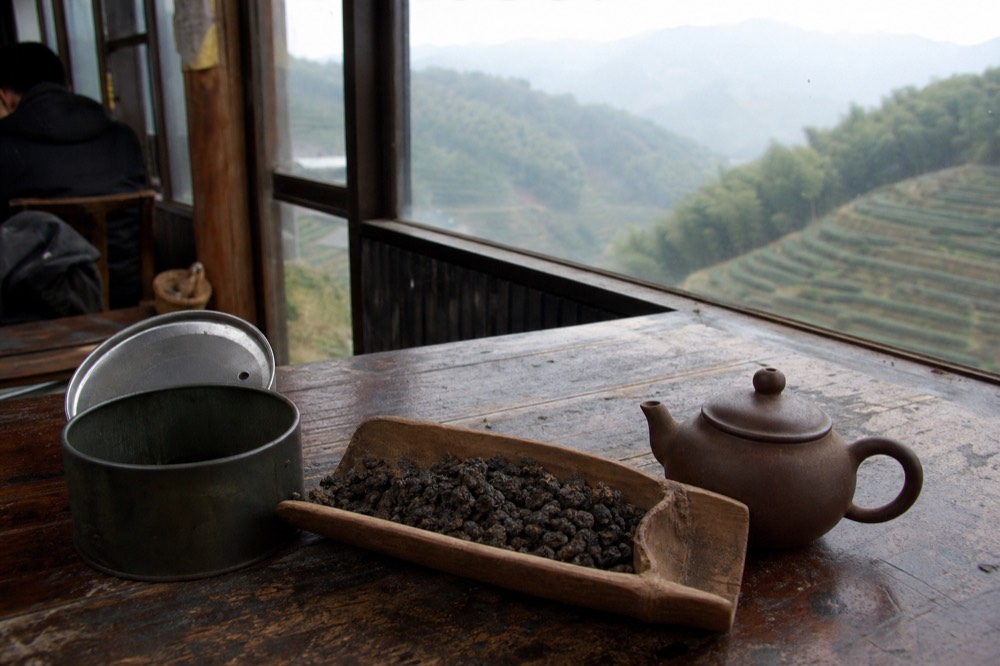
Chang's legacy is physically on the hillside too. The Chang Nai-miao Memorial Tea Museum was established in 1995 and is run today by his grandson, Chang Wei-yi; the ground-floor tea room is free, with a charge only for the second floor. And the city's own Taipei Tea Promotion Center for Tie Guanyin and Bao Zhong Tea, opened in 1985 and renamed in 1999, holds exhibition areas, an ecological pond, a weather platform and a working plantation. It is open daily 09:00 to 17:00, closed Mondays, about a fifteen-minute walk from Maokong Station, per the operator's official attractions page.
How Do You Choose The Right Tea House In Maokong?
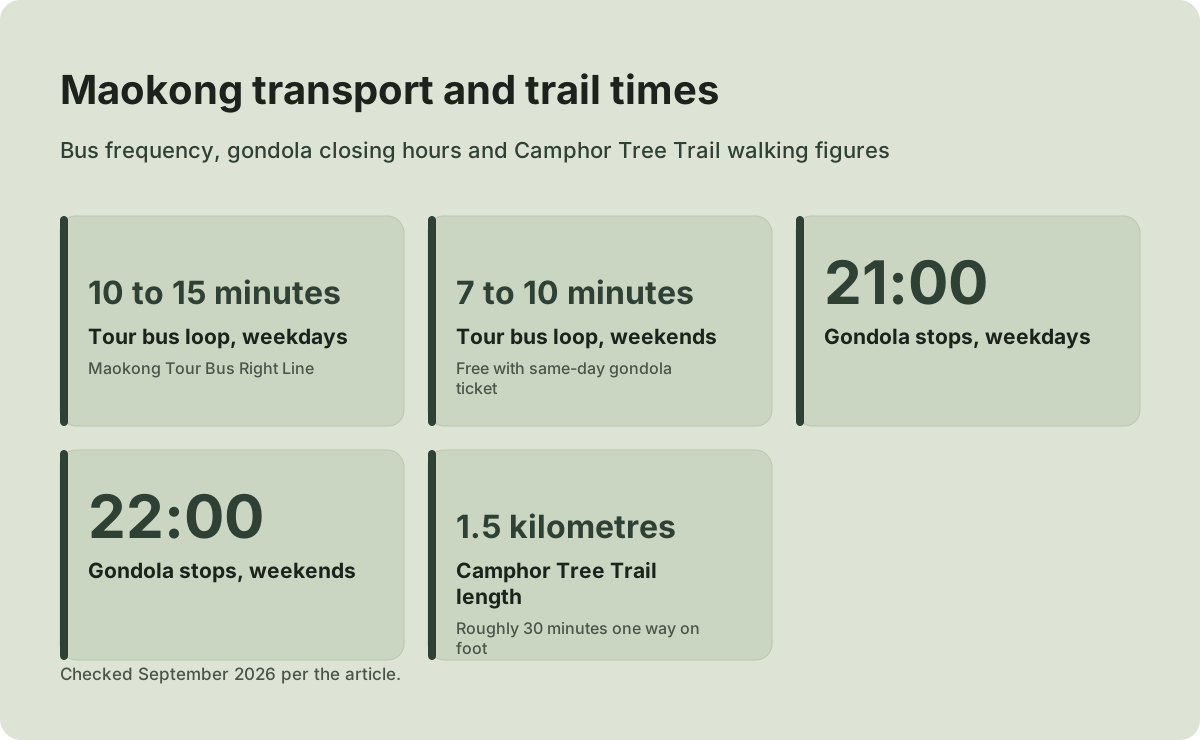
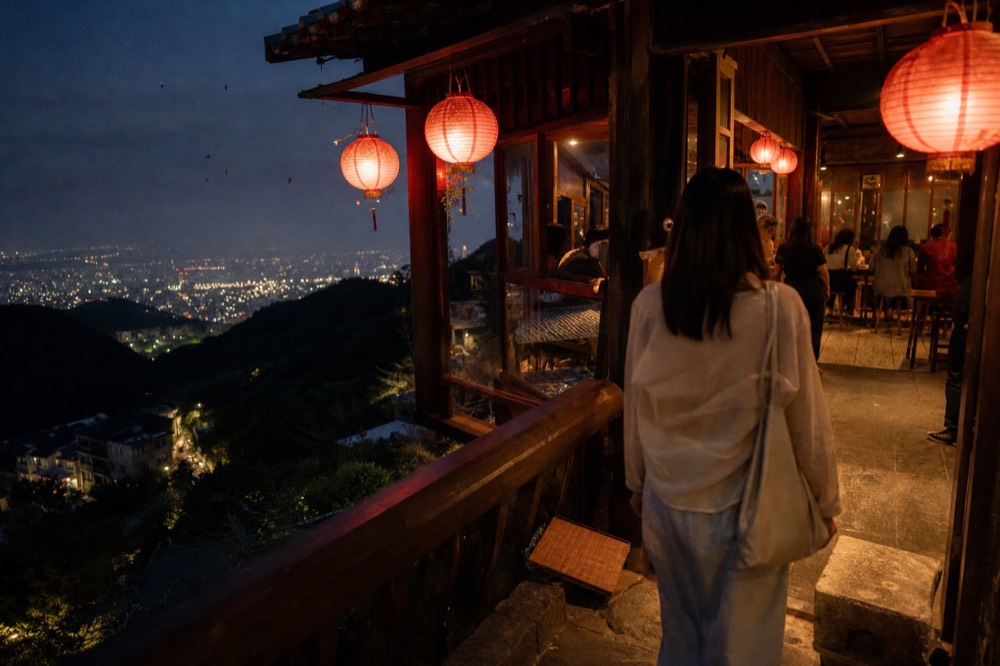
Choose by purpose, not by ranking: pick a tea-only house for a quiet long brewing session, a meal-focused house if your group wants dinner with the view, and a house near Maokong Station if you plan to leave after dark, since the tour bus thins to three departures after 19:00 and the gondola stops at 21:00 on weekdays and 22:00 on weekends. No official ratings or inspection scheme for tea houses exists, so any "best of" list you read online is one writer's afternoon, not a verified standard.
Location matters more than most guides admit. The houses spread across several clusters, some right by the station, others down the Camphor Tree Trail or along Zhinan Road where the valley views open up. The Maokong Tour Bus Right Line loops past the major clusters every 10 to 15 minutes on weekdays and every 7 to 10 minutes on weekends, and it is free to anyone who has ridden the gondola that day. After 19:00 the bus drops to just three departures, at 19:00, 19:30 and 20:00, which is the detail that strands visitors who linger for the night view.
| If you want... | Best cluster | Practical note |
|---|---|---|
| A long, quiet brewing session | Tea-only houses along the trail network | Weekday afternoons are calmest |
| Dinner with the sunset view | Meal houses on the Zhinan Road ridge | Book ahead for weekend window tables |
| Easy access with kids | Houses near Maokong Station | Flat walk, bus stop and gondola adjacent |
| The tea-farm atmosphere | Houses along the Camphor Tree Trail | Roughly 30 minutes one way on foot |
The walking between houses is genuinely pleasant, and the hillside's paths are covered in detail on the Maokong hiking trails guide. The Camphor Tree Trail in particular is about 1.5 kilometres, roughly 30 minutes one way, and the operator describes it as Taipei's first fully level trail, walkable end to end by older visitors and small children.
What Can You Eat At A Maokong Tea House?
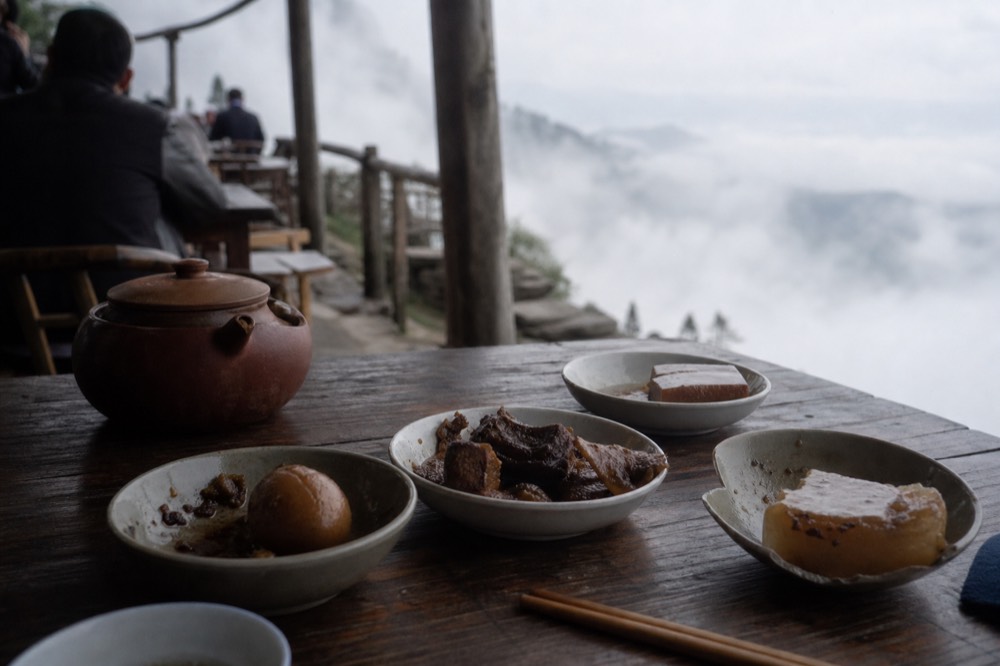
Most larger tea houses run full kitchens serving tea-adjacent dishes: tea-oil stir-fries, dishes cooked or dressed with the house's own leaves, and standard Taiwanese mountain-restaurant fare, with the tea service running alongside the meal rather than before it. Smaller tea-only houses serve light snacks at most, so if you want dinner, pick a house that lists a kitchen menu, and expect the per-person minimum to replace the brewing fee. The tea-house meal is its own genre, and the tie between kitchen and plantation is real: several houses cook with tea oil pressed from their own harvest.
The classic order is anything with the house tea worked into it. Tea-smoked or tea-salted items, Tieguanyin-braised dishes and tea-flavoured desserts all appear, and they give you a second way to taste the hillside if plain infusions are not your group's thing. Ask what the kitchen makes with its own leaves; houses are proud of those dishes and it is the fastest way past the tourist-facing menu.
One historical note that explains the food culture: the hillside's roasting tradition ran on charcoal. The restored charcoal kilns on the Camphor Tree Trail once fired Maokong's tea roasting, using lychee, longan and acacia logs held at 350 to 1,050°C for about two weeks, then sealed to smoulder for another 5 to 10 days. Roasting is done differently now, but the kilns stand as a reminder that this hillside was a working tea landscape long before it was a dining destination.
When Is The Best Time To Visit The Tea Houses?
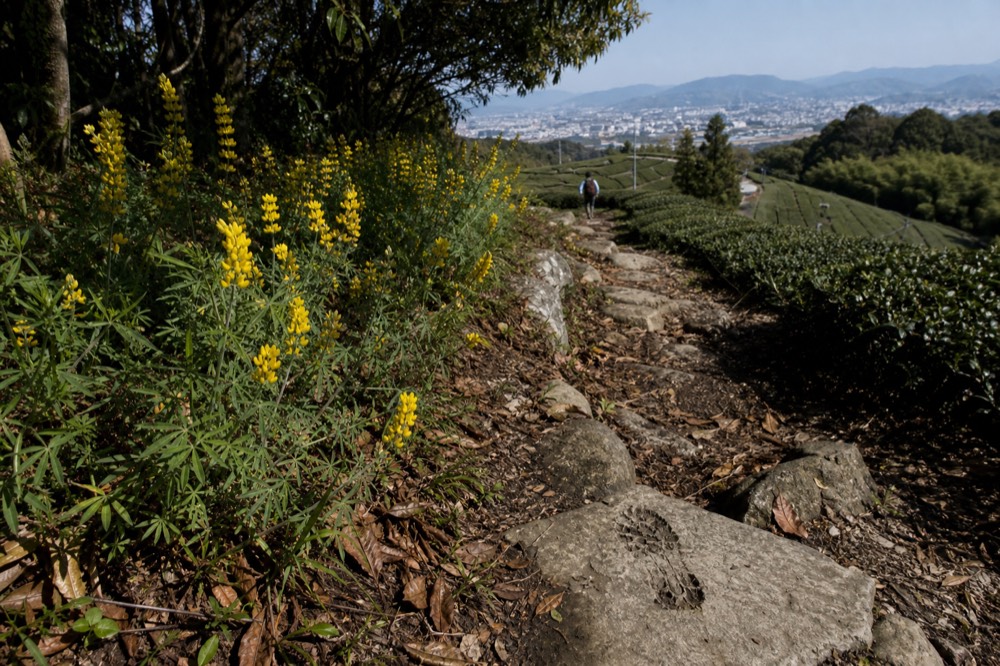
Weekday afternoons are the calmest time to sit at a Maokong tea house, and the hillside's own seasonal calendar, published by the operator, gives four windows worth timing a trip around: apricot blossom in January and February, lupin from late March to mid-April, tung blossom in April and May, and the spring tea harvest in May and June. The blossom season and the spring harvest overlap nicely, and the operator's calendar is the only authoritative schedule, individual houses do not publish their own.
The weather angle is more practical than poetic. The gondola suspends for wind gusts that reach 16 metres per second and hold for more than three seconds, or exceed 18 metres per second, for lightning along the route, or for typhoon warnings covering Taipei, and if that happens while you are up the mountain, free shuttle buses take stranded passengers back down. Typhoon season runs May through November with activity peaking in August and September, and the days immediately after a typhoon often deliver the clearest views of the Taipei basin. Scheduling flexibility, in other words, is rewarded twice over.
| Season | Hillside highlight | Tea house note |
|---|---|---|
| January to mid-March | Apricot blossom grove, roughly 2,000 trees | Cold-weather roasts, indoor seating fills first |
| Late March to mid-April | Lupin field on the Camphor Tree Trail | Busiest walking weekends of spring |
| April to May | Tung blossom on the upper trails | Book terrace tables ahead |
| May to June | Spring tea harvest | Freshest Baozhong of the year on menus |
| November to December | Winter harvest, competition roasts | Ask for the winter Tieguanyin |
The one thing to check before any visit is the gondola's maintenance calendar. The system closes on many Mondays for routine maintenance, but the exact Mondays vary month to month and the operator's English summary rule does not reliably match its own published calendar, so always check the dated list. If the cable car is shut, buses BR15, S10 and the Maokong Tour Bus Left Line still reach the hillside, a fallback covered fully in getting to Maokong from Taipei.
How Do You Get To The Tea Houses Without A Car?
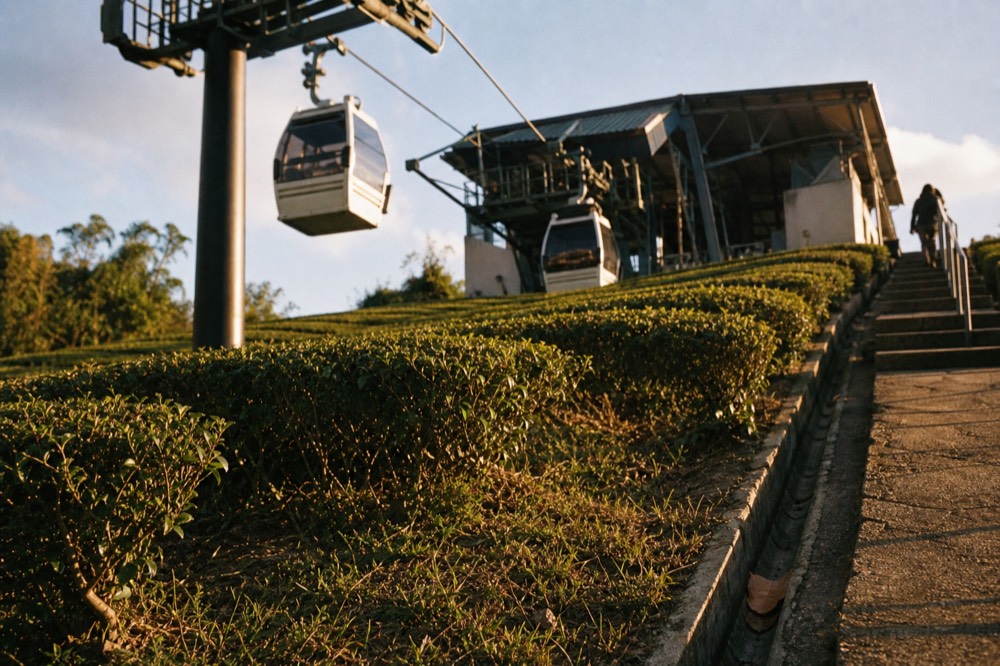
Ride the MRT Wenhu Line to Taipei Zoo Station, walk about 350 metres to the gondola's Taipei Zoo Station, and take the cable car up to Maokong Station, from which most tea house clusters are within a short walk or a free tour bus ride; the one-day pass, from about $9.49 and rated 4.7 from about 11,700 reviews, covers unlimited rides on all four passenger stations for the day it is activated. The pass is genuinely hop-on, hop-off, not a round trip, which matters here because the smart tea-house itinerary uses the mid-route stations as well as the top.
The route has four passenger stations: Taipei Zoo, Taipei Zoo South, Zhinan Temple and Maokong. Zhinan Temple Station puts you a short walk from the temple complex, and the operator's trail network connects from there toward the tea areas. The tour bus then loops the tea house clusters from Maokong Station for free if you have ridden the gondola that day, so the practical shape of a visit is: up by cable car, around by bus or on foot, and back down by cable car after dark.
The voucher is open-dated and valid for 180 days, with instant confirmation, so there is no need to lock a date before you know the weather. If you are weighing the gondola against the bus, or wondering whether the ride justifies the fare, the guide to the Maokong Gondola covers the full case, and the zoo combo option, at about $12.69, adds Taipei Zoo entry plus a one-way ride on the zoo's own shuttle train for families splitting the day between the animals and the tea.
Maokong tea houses are hillside tasting rooms and restaurants built around Muzha Tieguanyin and Wenshan Baozhong tea, with a per-pot or per-person brewing charge and unlimited hot water refills. The questions below cover the table charge, the two teas, the Tieguanyin origin story, dining vouchers and the best visiting windows. The answers draw on the operator's own published history and seasonal calendar, so you can plan a visit without relying on recycled blog figures.
Common Questions About Maokong Tea Houses
What Is A Maokong Tea House?
A hillside establishment that combines a tea tasting room with a restaurant and a view terrace. You brew Muzha Tieguanyin or Wenshan Baozhong tea at your own table, with unlimited hot water refills, and most larger houses also serve full meals. The tea house, not the cable car, is the historical reason visitors have been coming to this hillside for decades.
How Does The Table Charge Work At A Maokong Tea House?
Most houses charge a per-pot or per-person brewing fee that covers the leaves, equipment, hot water and your seat for an unlimited stay. Houses that serve full meals usually apply a per-person minimum instead, sometimes creditable toward food. Each house sets its own rates and no hillside-wide tariff is published, so confirm the charge before you sit down.
Which Teas Does Maokong Grow?
Two oolongs: Muzha Tieguanyin, a heavily roasted dark tea, and Wenshan Baozhong, a lightly oxidised floral tea. Both grow on plantations at roughly 300 to 500 metres and are harvested twice a year, in spring around April and May and in autumn and winter around November and December.
Why Is Muzha The Only Place In Taiwan That Grows Tieguanyin?
Tea master Chang Nai-miao carried twelve Tieguanyin seedlings from Anxi in Fujian in 1895 and planted them in Muzha's Zhanghu area, and the cultivar never spread beyond the district. A second shipment of a thousand seedlings followed in 1926. The operator's own history states that Muzha is the only place in Taiwan where Tieguanyin is cultivated.
Do The Gondola Tickets Include A Tea House Dining Voucher?
No. No option on the ticket listing includes a dining voucher. The pricier bundles add a choice of one or two small Maokong experiences, such as a sealed-tea DIY session, a Zhinan Temple prayer card or a sachet of Tieguanyin, plus a discount booklet, but tea house meals are always paid separately at the house.
When Is The Best Time To Visit Maokong Tea Houses?
Weekday afternoons are the calmest. For scenery, time a trip around the operator's seasonal calendar: apricot blossom in January and February, lupin from late March to mid-April, tung blossom in April and May, and the spring tea harvest in May and June. Always check the gondola's dated maintenance calendar before a Monday visit, since closures vary month to month.