Is The Maokong Cable Car Worth It?
An honest, specific answer to whether the Maokong Gondola is worth the fare, with the real costs, the rating explained, the case against riding, and the bus comparison nobody makes.
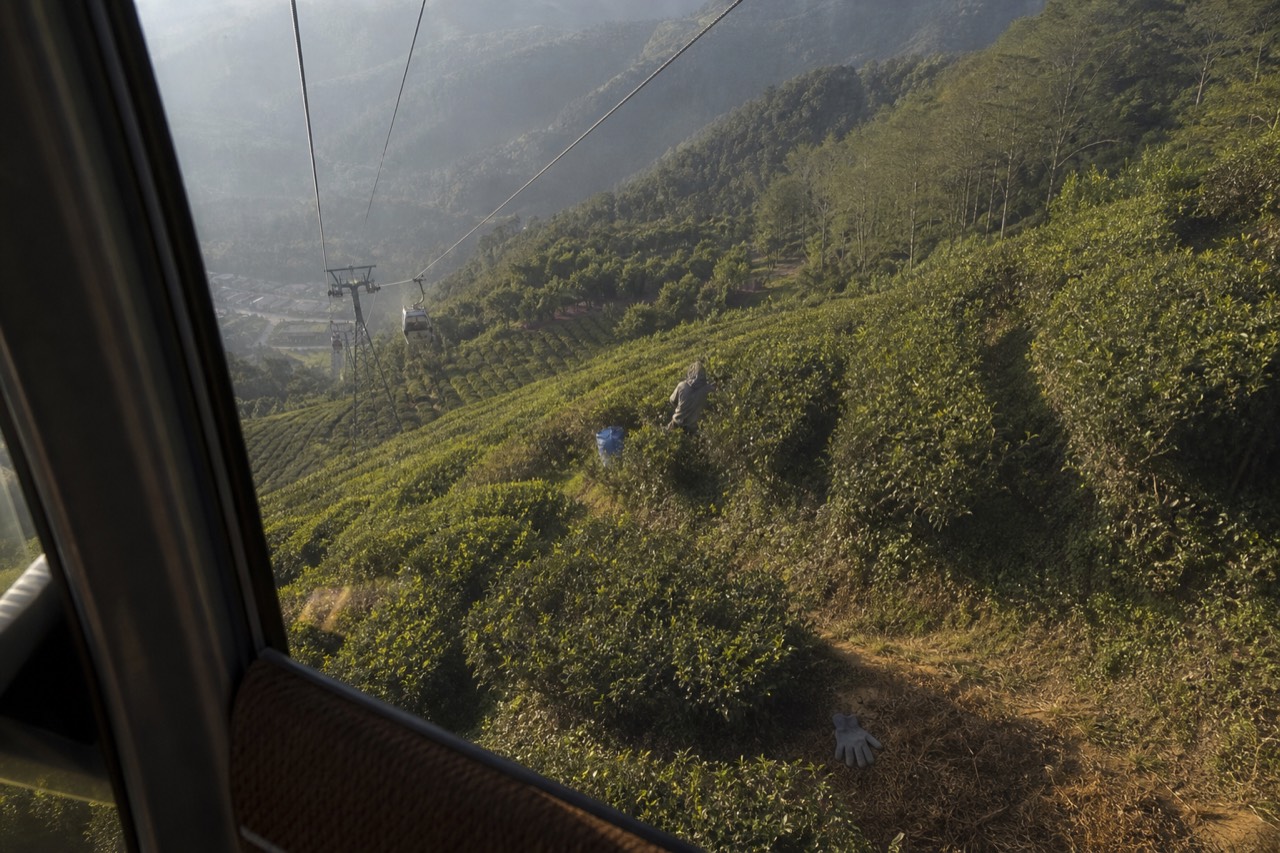
The Maokong Gondola has carried more than 40 million passengers since it opened in July 2007, and the milestone was passed on 19 May 2026, which tells you the line is doing something right. It also tells you nothing about whether a particular visitor on a particular day will feel the fare was money well spent. That question depends on the weather, the day of the week, how much time you have, and whether you understand what you are actually buying. This page on Maokong Gondola works through all of it with real numbers.
Is The Maokong Cable Car Worth It?
For most visitors with three hours or more on a clear or partly clear day, yes, the Maokong Gondola is worth it: the NT$180 single journey buys a 4.03-kilometre aerial traverse that no bus or viewpoint in Taipei replicates. If you are visiting on a maintenance Monday, terrified of heights, short on time, or facing flat grey weather, it is genuinely not worth it, so skip it or come back another day.
The ride is not transport in any meaningful sense, and that is the key to the whole question. Buses reach Maokong for a fraction of the price, so what you are paying for is the view and the experience of hanging above a forested valley in a small cabin. When the view delivers, the fare feels cheap. When the city is swallowed in haze, the product you paid for largely does not exist, and no refund covers that.
There is also a timing trap that catches a surprising number of visitors: the system closes on many Mondays for routine maintenance, and the exact Mondays vary month to month, so the published calendar matters more than any general rule of thumb. The hours and best time to visit guide covers that calendar in detail.
If that summary already points you toward a decision, the ticketing options below are the practical next step.
What Does The Ride Actually Cost Now, Against What It Delivers?
A Maokong Gondola ride now costs a flat NT$180 per person in a regular cabin, or NT$300 for a one-day pass with unlimited rides. The by-station fares of NT$70, NT$100 and NT$120 ended on 3 March 2025, and Taipei City defended the change by noting that, at roughly NT$45 per kilometre, Maokong remains the cheapest of the five tourist cableways it benchmarked.
That benchmark table is the single most useful piece of context anyone has published about this fare, and almost nobody repeats it. The city's own numbers, released with the March 2025 fare change, look like this:
| Cableway | Approximate fare per kilometre |
|---|---|
| Maokong Gondola (after the 2025 rise) | about NT$45 |
| Hakone Ropeway, Japan | about NT$80 |
| Sun Moon Lake Ropeway | about NT$100 |
| Songdo Cable Car, Korea | about NT$210 |
| Mount Faber line, Singapore | about NT$230 |
The comparison comes from Taipei City Government's fare-change announcement. You can argue with the framing, since a per-kilometre rate flatters a long line, but the arithmetic is the city's own and it is checkable.
What the fare buys physically: a 4.03-kilometre route across six stations, four of them open to passengers, running from Taipei Zoo Station up to Maokong Station at roughly 250 metres of vertical gain. The full end-to-end ride takes about 20 to 30 minutes at normal running speed, stretching toward 37 minutes when the system slows for weather or inspections. The cabins hold a maximum of eight people each, and the line can move up to 2,400 passengers per hour in one direction, so the queue moves even when it looks long.
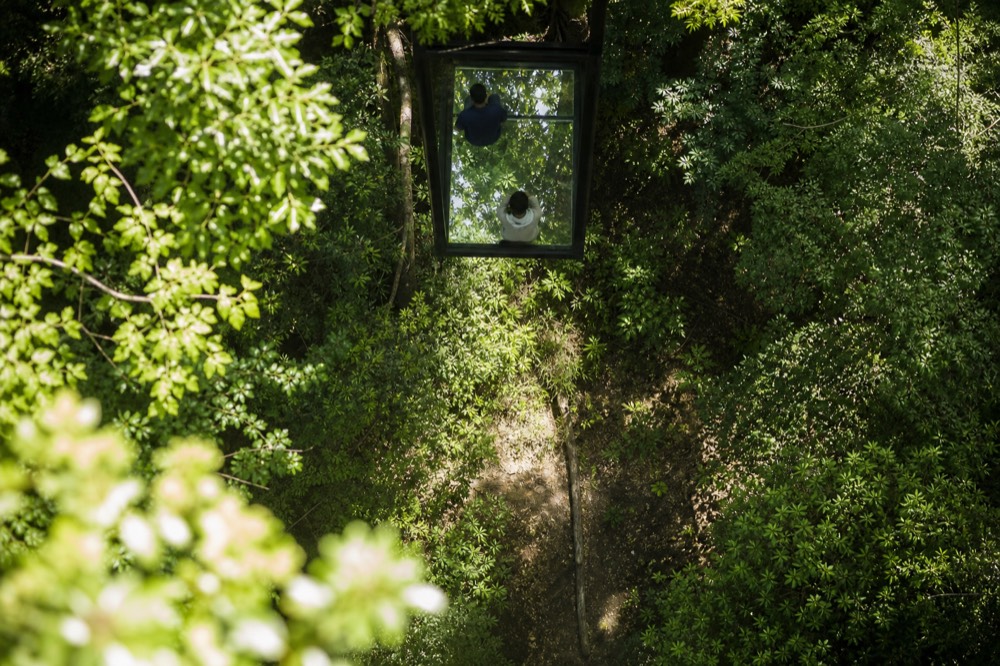
The optional extras matter to the value calculation. The crystal cabin, with its reinforced glass floor, is not a separate ticket: it is an on-site upgrade of NT$50 per person per trip added to whatever fare you already hold, and only 31 of the 147 cabins are crystal, which is why their queue is the long one. Children aged 0 to 5 ride free with a ticketed adult, up to two per adult, and there is a concession fare of NT$50 single or NT$100 day pass, but it is restricted to Taiwanese nationals with ID, so overseas visitors should plan on full fare. The crystal cabin guide works through whether the glass floor is worth the surcharge and the wait.
One more cost consideration: a one-day pass pays for itself on the second ride of the day. Two single journeys cost NT$360 against the NT$300 pass, and the pass also unlocks the free same-day transfer to the Maokong Tour Bus on both its lines, which extends what your ticket covers across the whole hillside.
What Does A 4.7 Rating From About 11,700 Reviews Actually Tell You?
A 4.7 rating from about 11,700 reviews and over 400,000 bookings tells you the operational basics almost never fail: tickets work, queues move, and the ride happens as described. What it cannot tell you is whether the view on your specific Tuesday will be worth the fare, since the biggest satisfaction variable, the weather, changes daily while the rating stays frozen.
Ratings of this shape have a known blind spot. They average across thousands of clear-day riders and grey-day riders into one number, and the grey-day riders are a minority because most people sensibly pick nicer days to visit. So the 4.7 is real but it is biased toward good conditions. If your only available day is overcast, you are not buying the experience that produced most of those reviews.
There is a second, more reassuring signal in the operational record. The manufacturer POMA confirmed in writing that the system ran at an average availability of 99.90% across 2010 and 2011, which it called the best availability rate recorded to date on any cable car system, and no passenger-impacting incidents were reported in 2025 or 2026 searches of news coverage. For a line that once closed for 18 months after a typhoon-damaged tower in 2008, that record is the strongest factual answer to the safety half of the worth-it question. The weather and suspensions topic is covered in its own guide, which explains exactly what halts the line and what happens to ticket holders when it does.
For practical booking, the one-day pass sold through the operator's listing is the option most visitors should compare against the gate price, because it matches the unlimited-ride product and comes with instant confirmation.
What Is The Honest Case Against Riding?
The case against is real and specific: on a grey or hazy day the view is the whole product and there is no refund for a poor one, the cabin hangs up to roughly 250 metres above the valley floor which is genuinely bad news for anyone with acrophobia, the system is closed on many Mondays, and anyone with under three hours will spend most of that time queueing and riding rather than actually being in Maokong.
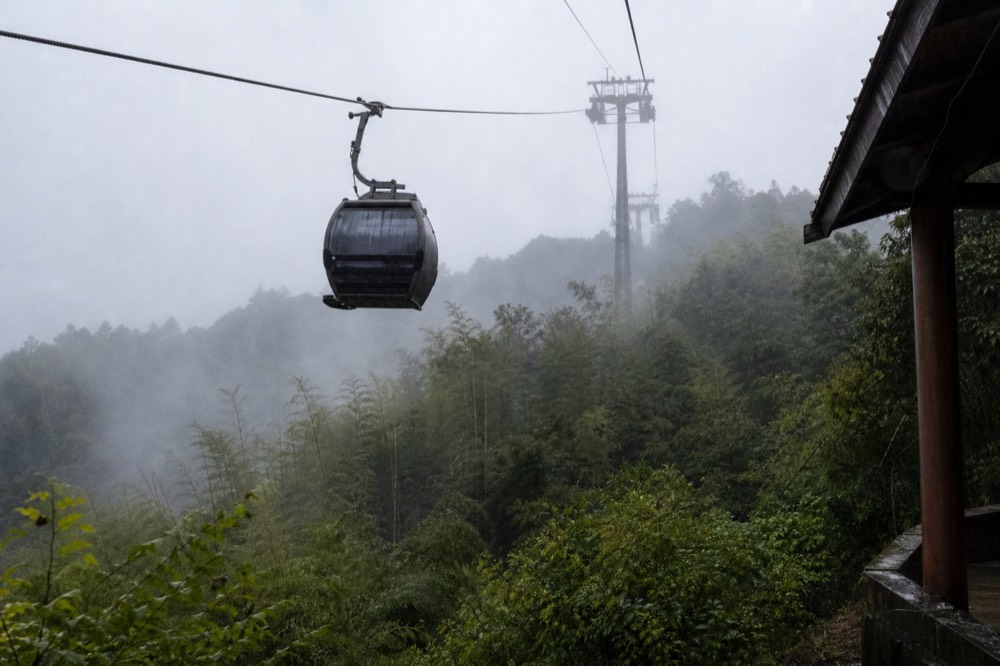
Start with the weather, because it is the biggest one. The fare buys a view. When Taipei's basin is hazy, which happens routinely outside the cooler months, you will see a white-grey void where the city should be, and the operator's compensation rules only cover service suspensions, not poor visibility. A one-day-pass holder whose ride is cut short by a shutdown gets the difference refunded only if they have ridden once or not at all; ride twice and there is no refund. Nobody refunds a view you did not enjoy.
The heights point deserves more respect than guidebooks give it. The line climbs roughly 250 metres and much of that gain happens with the cabin hanging above treetops and a valley floor far below. The operator itself warns that passengers with cardiovascular disease, high blood pressure or acrophobia should not ride. If you are terrified of heights, the crystal cabin's glass floor is not a thrill, it is a punishment, and the regular cabin still swings gently as it passes each tower.
Then there is the calendar. The system runs Tuesday to Sunday in principle, but the operator's own published 2026 closure list shows the maintenance Mondays shift month to month, plus a five-day cable-splicing shutdown in April and a three-week annual overhaul in June. Turning up on the wrong Monday means a locked station.
Finally, time. The ride alone is 20 to 30 minutes each way, plus queueing at both ends, plus the walk between the MRT station and the gondola. With under three hours total, you will get a ride and little else, and Maokong's actual rewards, the tea houses, the trails and the temple, happen at the top.
Is It Worth It To Hop Off At Every Station, Or Ride Straight To The Top?
A hop-off rider using a one-day pass extracts far more value per NT$300 than a straight-up-and-back rider, because the pass covers all four passenger stations and the intermediate stops, Taipei Zoo South and Zhinan Temple, hold real attractions rather than being mere waypoints, so the same ticket becomes a zoo visit, a temple visit and a tea-hill afternoon in one purchase.
The arithmetic is simple. A rider who goes straight to Maokong Station and back on single-journey tickets pays for two rides and sees one station. A day-pass rider pays NT$300, rides as many times as they like, and can break the journey at Taipei Zoo South to enter the zoo (zoo entry is a separate NT$100 admission, or bundled in a combo ticket) and at Zhinan Temple Station for the temple complex. Note that the temple's Lingxiao Hall was severely damaged by fire on 24 August 2026, with restoration expected to take at least three years, though the rest of the complex remains open.
The hop-off approach also fixes the time problem. Instead of one long ride, you get a natural itinerary with breaks, which matters if you are travelling with children or older companions. The zoo and gondola pairing is laid out in detail in the site's taipei zoo combo guide.
Straight-to-the-top still suits one kind of visitor: someone at sunset on a clear evening, heading up for the night view over the basin and a tea house, then riding back down after dark. Weekend and holiday hours run to 22:00, weekdays to 21:00, which makes that plan workable. That rider does not need the day pass, and two single fares are the honest recommendation.
The Comparison Nobody Makes: The Bus Up The Mountain
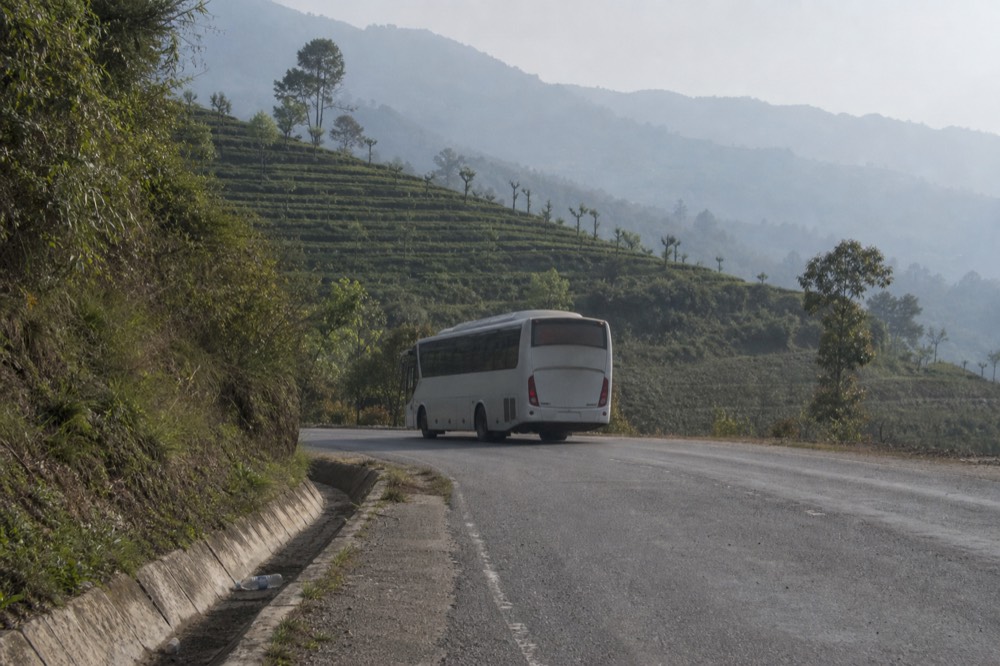
Buses BR15 and S10 run from near Taipei Zoo up to Maokong for a fraction of the gondola fare, and the Maokong Tour Bus is free to same-day gondola riders, which proves the point cleanly: the gondola is not transport, it is a view you are buying, and once you accept that framing, the worth-it question becomes whether the view is worth the markup rather than whether the ticket is fair.
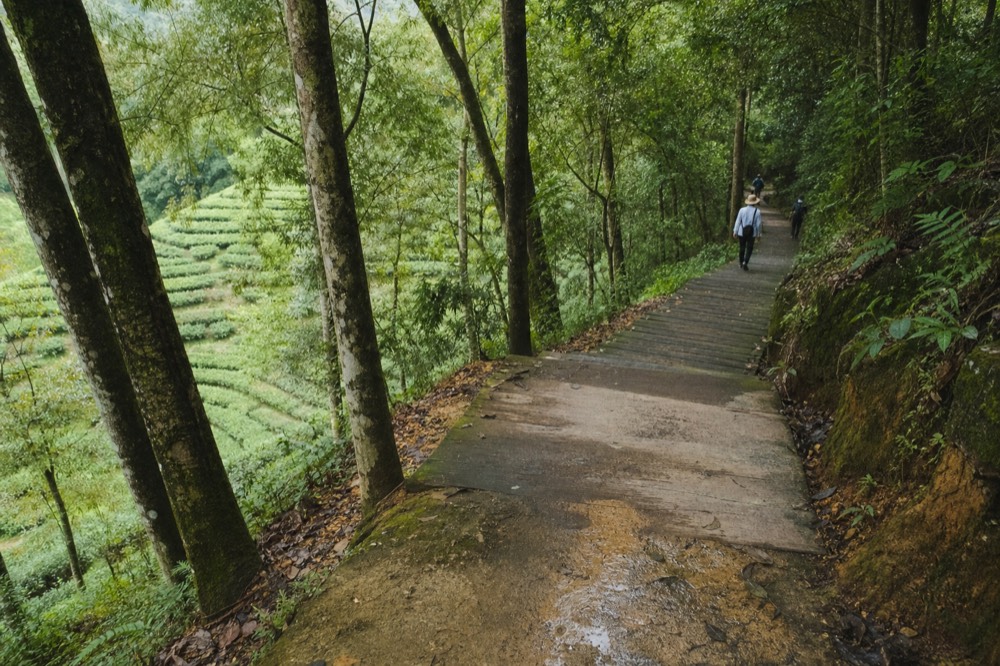
The bus routes are the control group for this whole page. They use the same winding mountain road the gondola flies over, they cost a small fraction of NT$180, and they deliver you to the same tea houses. If your goal is purely to drink tea in Maokong, the bus is the rational choice, full stop. TRTC itself directs visitors to BR15, S10 and the tour bus during the annual closure, so the operator treats them as genuine substitutes.
What the bus cannot do is hang you above the valley. That is the product. It is also worth knowing that the free same-day tour bus transfer, available to anyone who has ridden the gondola that day, means the smart play is often both: gondola up for the view, tour bus around the hillside to reach the trailheads and viewpoints, gondola down at dusk.
| Option | What it costs | What you get |
|---|---|---|
| Gondola single journey | NT$180 | One aerial ride, any distance, one direction |
| Gondola one-day pass | NT$300 | Unlimited rides all day, all four stations, free same-day tour bus |
| Bus BR15 or S10 | a fraction of the gondola fare | Road transport to Maokong, no view |
| Maokong Tour Bus | free with a same-day gondola ride | Loops the hillside sights every 7 to 15 minutes depending on the day |
The verdict from all of this: the gondola is worth it as an experience purchase on a day when the experience exists, and it is not worth it as a way of getting from A to B, because cheaper ways of getting from A to B are standing right next to it.
If the numbers have settled it for you, these are the ticket options worth comparing before you go.
These are the questions readers ask most often when weighing the fare against the experience, answered with the same numbers used throughout this page: the flat NT$180 single journey, the NT$300 one-day pass, the NT$50 crystal cabin upgrade, and the bus alternatives that reach the same hillside for a fraction of the price. Each answer stands alone, so skim the ones that matter to your trip.
Common Questions About Whether The Maokong Cable Car Is Worth It
Is The Maokong Gondola Worth It?
On a clear or partly clear day, with three hours or more, yes: the NT$180 fare buys an aerial traverse no bus or viewpoint in Taipei replicates. On a grey day, a maintenance Monday, or a tight schedule, it is not worth it, and the honest move is to skip it or return another day.
How Much Does The Maokong Gondola Cost Now?
A single journey in a regular cabin is a flat NT$180 per person, and a one-day pass with unlimited rides is NT$300. The crystal cabin glass floor is an extra NT$50 per person per trip on top of any ticket.
Is The Maokong Gondola Worth It On A Cloudy Or Hazy Day?
Usually not. The view is the product, and haze over the Taipei basin removes most of what the fare buys. There is no refund for poor visibility, only for actual service suspensions, and even then only under the one-day-pass rules.
Can You Get To Maokong Without The Gondola?
Yes. Buses BR15 and S10 run from near Taipei Zoo up to Maokong for a fraction of the gondola fare, and the Maokong Tour Bus is free to anyone who has ridden the gondola that day. The [guide to Maokong without the cable car](/blog/maokong-without-the-cable-car/) covers the alternatives in full.
Is The One-Day Pass Better Value Than A Single Ticket?
It pays for itself on the second ride of the day: two single journeys cost NT$360 against the NT$300 pass. If you plan to ride back down, or to hop off at the zoo or Zhinan Temple and rejoin, the pass wins. Only a one-way trip is cheaper on a single ticket.
Is The Maokong Gondola Safe?
The operational record is strong: the manufacturer confirmed a 99.90% availability rate across 2010 and 2011, and no passenger-impacting incidents were reported in 2025 or 2026 coverage. The line suspends automatically for high wind, lightning, strong earthquakes and typhoon warnings, and passengers stranded at the top are brought down by free shuttle buses.